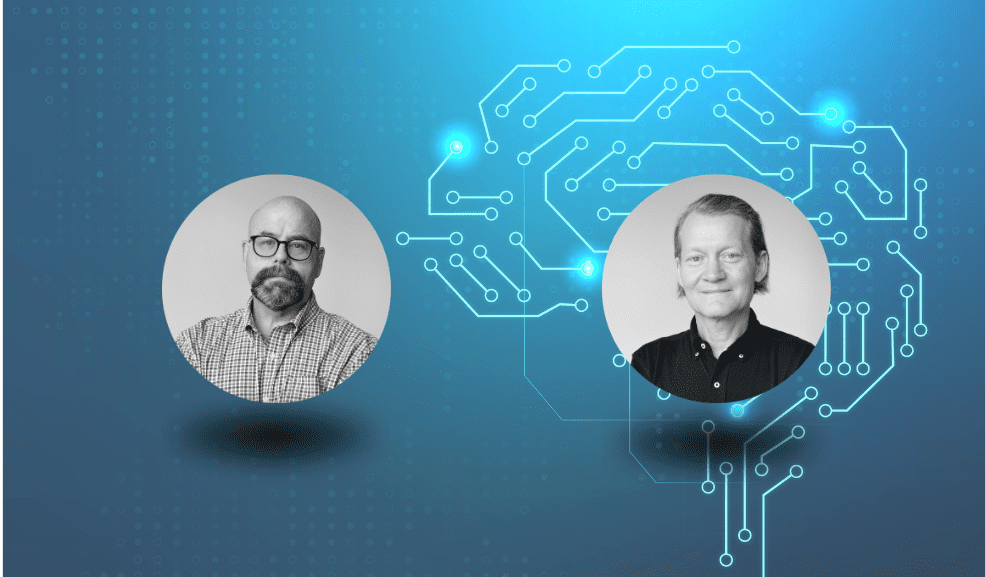
Martin Rosén-Lidholm on ChronosHub’s agentic engineering future
If you don’t work in software development, “agentic engineering” may sound like fuzzy buzzwords. But it’s already reshaping how digital experiences are built and maintained at a lightning pace.
In essence, it deeply embeds semi-autonomous AI agents into development workflows. Writing code, testing, speaking to each other, with developers acting as orchestrators.
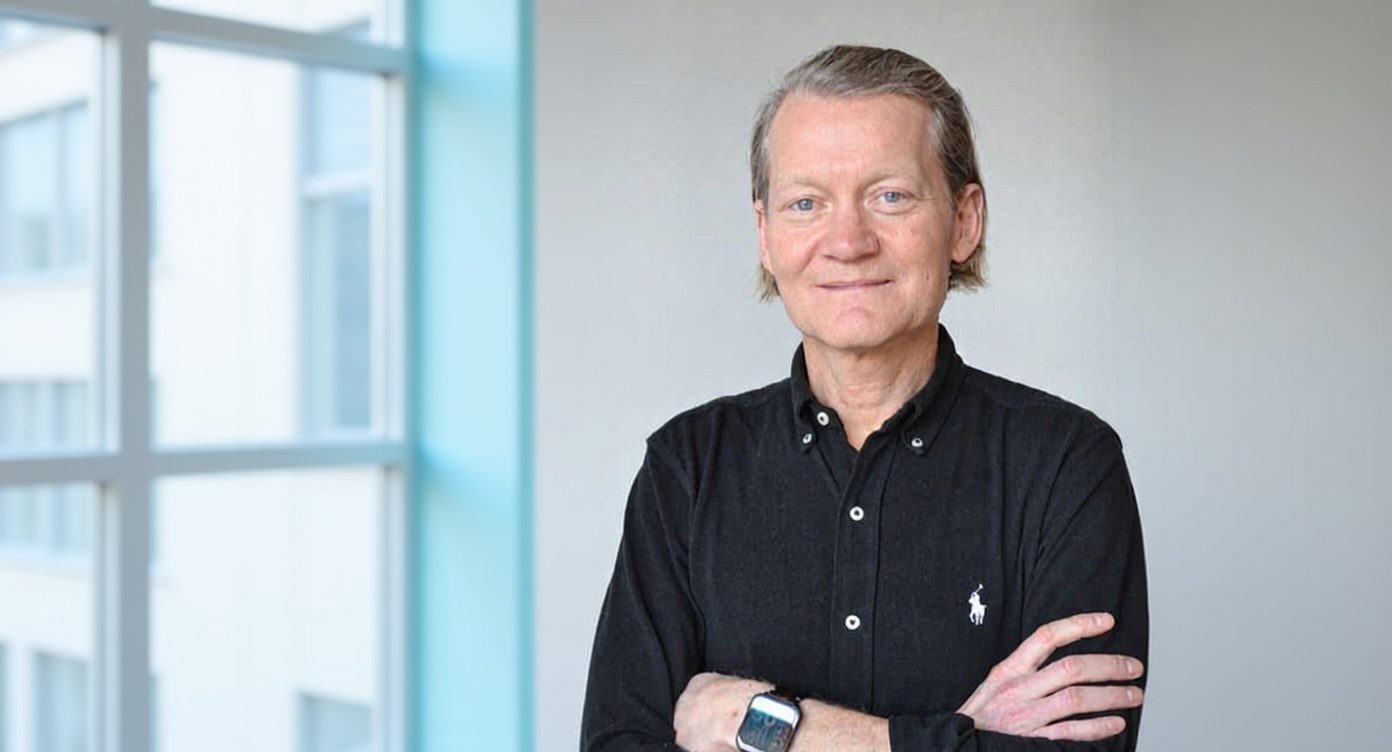
At ChronosHub, we’re finding our way into this new world of work. Martin Rosén-Lidholm, our VP of Product and Engineering, is helping to chart our course.
Martin’s been with us since February. Originally from Kalmar, Sweden, he’s been a fixture of Copenhagen’s tech scene for over 15 years. During that time, he led development teams at multinationals such as Telenor and Templafy.
We sat down with him to hear about our agentic engineering future, what that means for our customers, and how he’s found life at ChronosHub.
How do you get AI adoption right?
I think there’s a common misconception about AI, in both engineering and many other fields. And that’s that you can just bolt AI onto your usual processes.
The truth is, if you want to get serious about AI, you need to look at the infrastructure that underpins it: the team, the workflows, the systems. All these need to be rethought. Otherwise, it’s like buying a Japanese bullet train and setting it down on Danish rail tracks. It’s not going to produce the results you want.
I started my career when the web happened. Then came mobile. Then cloud. But without a doubt, the AI-driven transformations happening now are on a whole other level. In the face of that, sticking to “business as usual” doesn’t fly. Everyone else will be on bullet trains, and you’ll be standing still.
So, what’s our approach at ChronosHub?
If you have ambition, you invest. And do it in a targeted way, not just chucking money at the wall to see what sticks. You hire, train, and build new habits. You expose everyone at the company to new tools and guide them on how to use them.
I’ve led the transition to agentic engineering before. It’s not going to happen overnight. But the potential I see here at ChronosHub is so exciting. Everyone is eager to embrace new ways of working and it’s going to have a profound impact on our daily operations.
How will this benefit our customers?
In the short term, I’m focused on launching agentic engineering internally. This isn’t something our customers should care about per se. But of course, as we become more efficient, they’ll see faster bug fixes and feature launches.
Then looking ahead, our customers can expect more AI in our product. Right now, we’re building interfaces for humans and systems. But we’re moving toward AI-native interfaces, employing standards like Model Context Protocol (MCP). This lets agents interact directly with tools and capabilities within ChronosHub.
The vision is agents that can work within the scholarly ecosystem on behalf of our users, through simple chat interfaces for example. It’s a whole new approach to daily work. One that aligns with many of our customers’ own long-term strategies.
What have been your first impressions of ChronosHub?
Extremely positive. Yes, I know everyone expects me to say that, but I mean it. I was lucky enough to start when our remote employees were in Copenhagen for some company events. So I got to meet everyone face-to-face and really see our culture in action.
Some of my quick takeaways from these first months:
- Abundant technical and product talent
- Strong company culture, reflected in our high eNPS scores
- Open‑minded teams that make change management easier
- Deep domain expertise in scholarly workflows
- Collaborative and transparent leadership culture
My only problem with working here is that there’s only 24 hours in a day.
How do you unwind outside of work?
Ultra cycling. Within the cycling community, it means riding for at least 24 hours straight, usually without sleep. Most races last between three days and three weeks, non-stop. That takes a lot of planning and training as you can imagine, so I haven’t done as much as I’d like recently. But I’m now getting back into it.
I’m signed up for a mid-length race around the Netherlands soon. Then there’s a team race in the summer, about 400km. That’s what I’m building toward right now.
Share this post