SSP 2026 takeaways: Peer review’s identity crisis, the end of AI policies, and more
Vivi Billesø, our VP of Brand & Communications, shares her thoughts on a great SSP Annual Meeting.
One bonus takeaway to kick this post off: Do not fly NYC to Copenhagen Monday morning and go directly to the office. Head home. Your body will thank you the rest of the week.
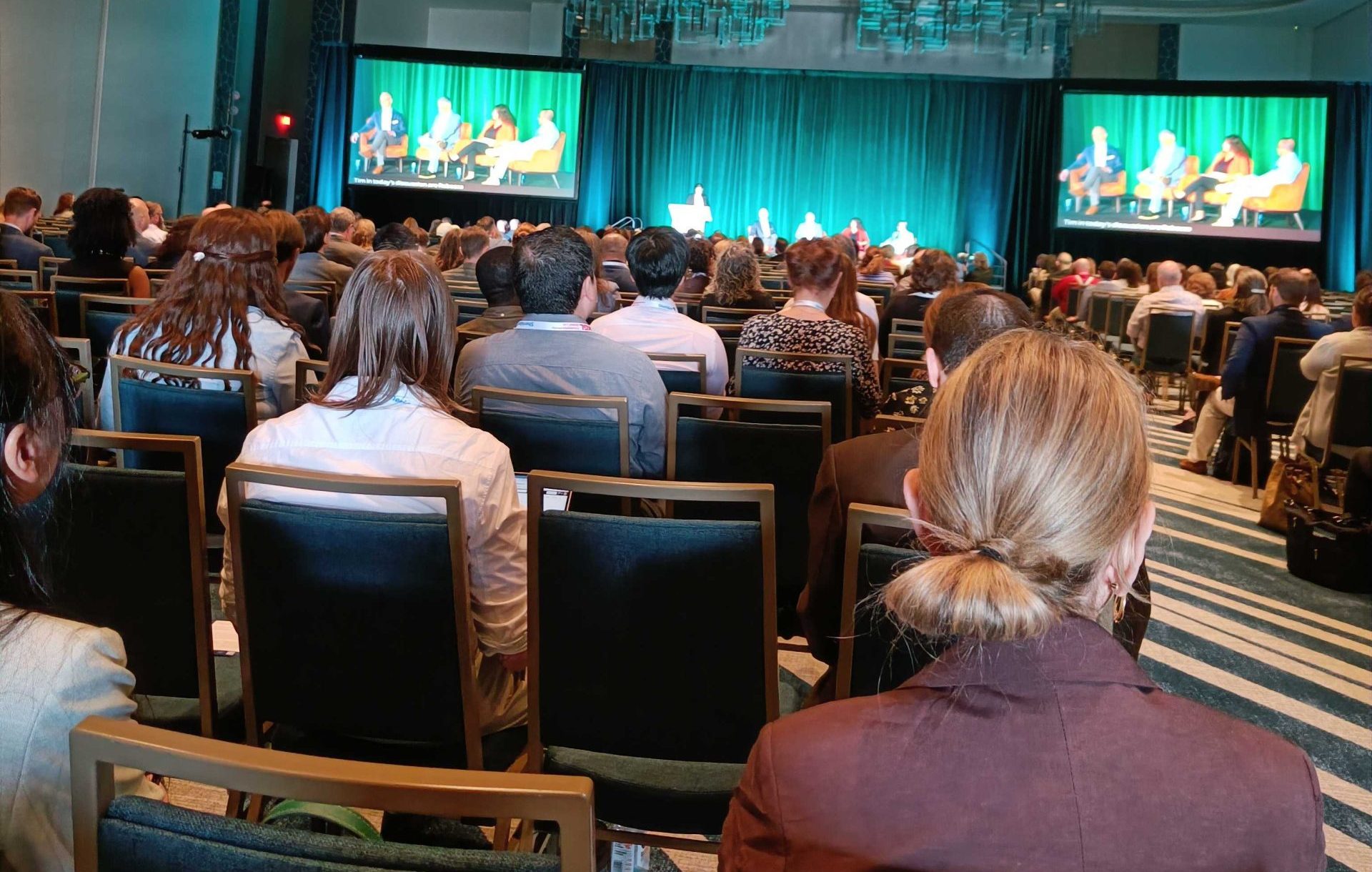
Down to business. SSP 2026 in Chula Vista was mile-a-minute and less sunny than I’d hoped for…
I think that each year’s conference has a vibe that you pick up from the sessions and at-the-stand chats. Last year, there was uncertainty in the air. This year, people were more at ease. That’s down to the industry-wide shift in thinking around everyone’s favorite topic: AI.
Takeaway 1: We’ve reached the AI implementation phase
Publishers are now serious about implementing AI deep in fundamental workflows. This was also the conclusion of the latest Tech Trends report, but it was great to get it confirmed in-person.
Last year, publishers were dabbling in AI tooling at an ad-hoc level, while in the background, the discourse about AI being an existential threat to the industry was still raging. Things have settled since then.
Authors are using it. Editorial teams are using it. For publishers, the question is no longer whether to adopt AI but how to do it well and transparently.
Takeaway 2: Credibility is the new currency
Here’s how Teo Pulvirenti (American Chemical Society) put it in the plenary: publishers are going from being packagers of research to stewards of it. Less visible, but just as essential.
That’s because the way research is consumed is changing fast. People now ask AI instead of searching themselves. So, journals as the delivery system for knowledge will take a back seat.
But someone still needs to verify that the data is real, that the research is sound, that the findings can be relied upon. That’s where the value for publishers will migrate to; becoming the trusted infrastructure behind the scenes that marks a paper as credible or not.
Takeaway 3: We need to lessen the load on reviewers
Another great insight from Teo: peer review wasn’t designed to catch fraud. It was meant to advance science. That distinction matters, because too many reviewers are being asked to do both.
And it’s not just fraud detection. One of my biggest surprises was speaking to publishers who aren’t seeing the amount of fake papers you might imagine. AI is simply making good research faster. So, there’s more legit papers coming in, but they’re still riddled with issues that reviewers shouldn’t be wasting time on, such as journal mismatch and grammatical errors.
The tools exist to automate these kinds of checks and place them way earlier in the submission process. It’s just a question of getting the integrations right. We hosted a webinar on that very topic recently, if want to know more.
Takeaway 4: AI policies aren’t working
Jay Patel (Cactus Communications) didn’t hold back: AI policies simply don’t work, with only a minority of authors declaring AI usage. There’s still a stigma in the minds of many authors, even as the industry has started to embrace AI more openly.
Thinking has to shift. Not “how do we identify AI use?” but “does this paper hold up, regardless of AI’s role in creating it?”
Publishers need to lower the guardrails and focus on what matters: the integrity of the data and the accountability of the human behind it.
Takeaway 5: Marketing needs to be brought in earlier
There was a Thursday afternoon session that spoke to my marketing heart. The challenge under discussion: being brought in late to promote something you had no say in shaping.
As Jessica Lawrence-Hurt (GeoScienceWorld) put it, by the time projects reach marketing, it’s often too late to influence “who is this for?”
She shared a tiered framework, Gold, Silver, and Bronze. This defines how much marketing effort a project gets and what other teams’ inputs are needed. Prioritization is hard to get right in the busy day-to-day, so this framework was a great reminder to reassess how we’re planning content here at ChronosHub.
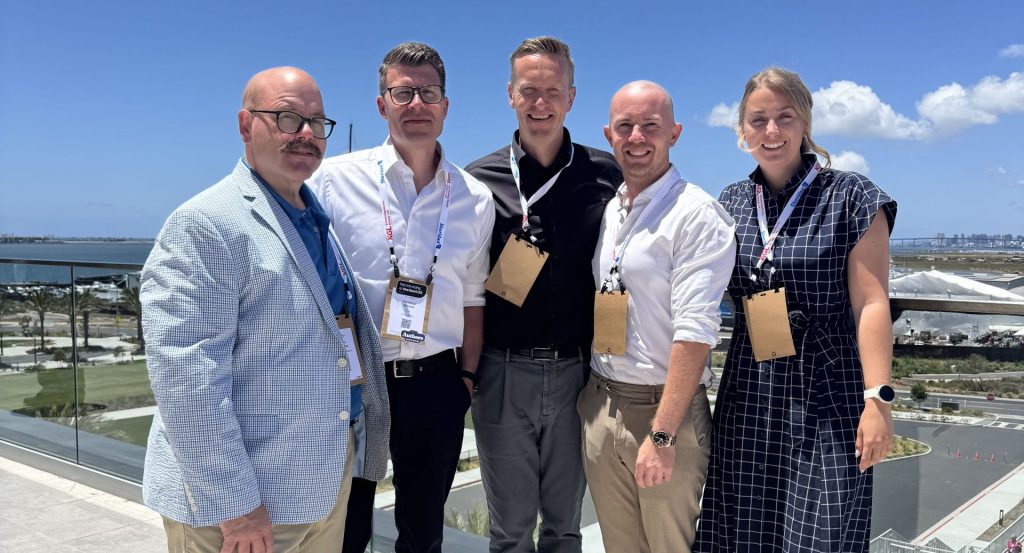
Rhode Island next year
Jet lag aside, I came away from SSP 2026 feeling clearheaded. There’s been plenty of concern around scholarly publishing these past couple of years, but there was a renewed sense of purpose in the center.
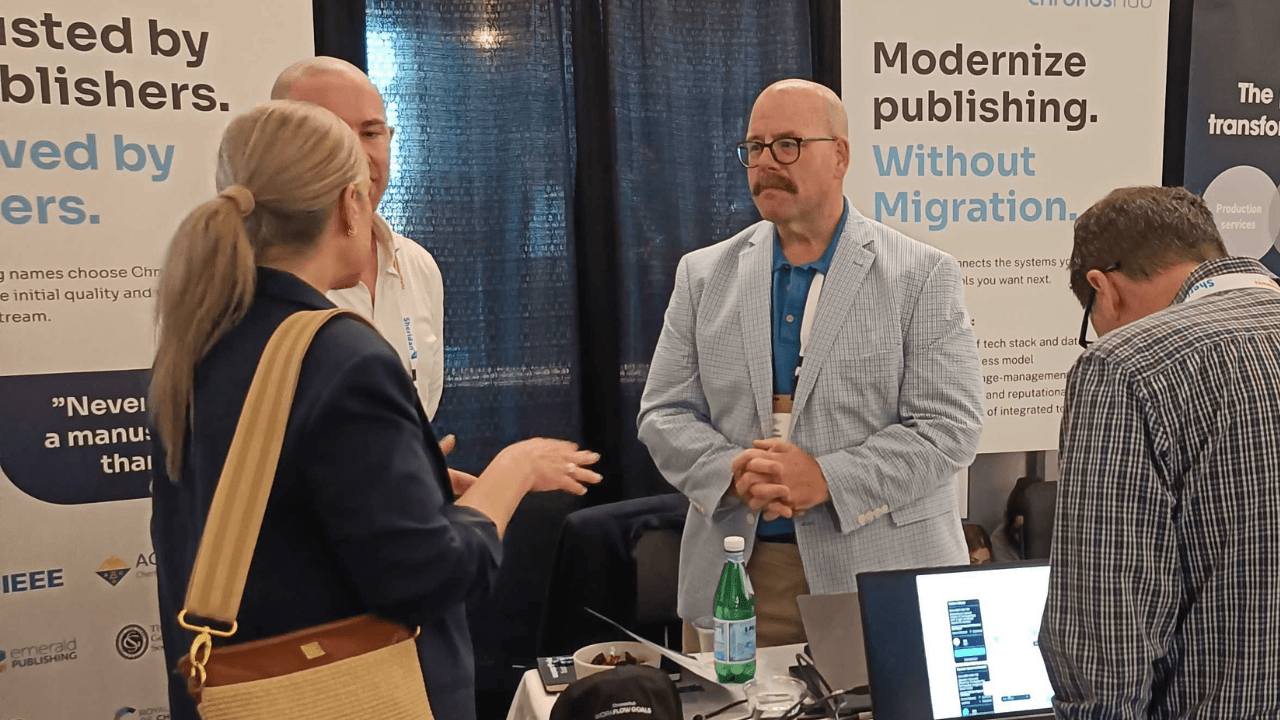
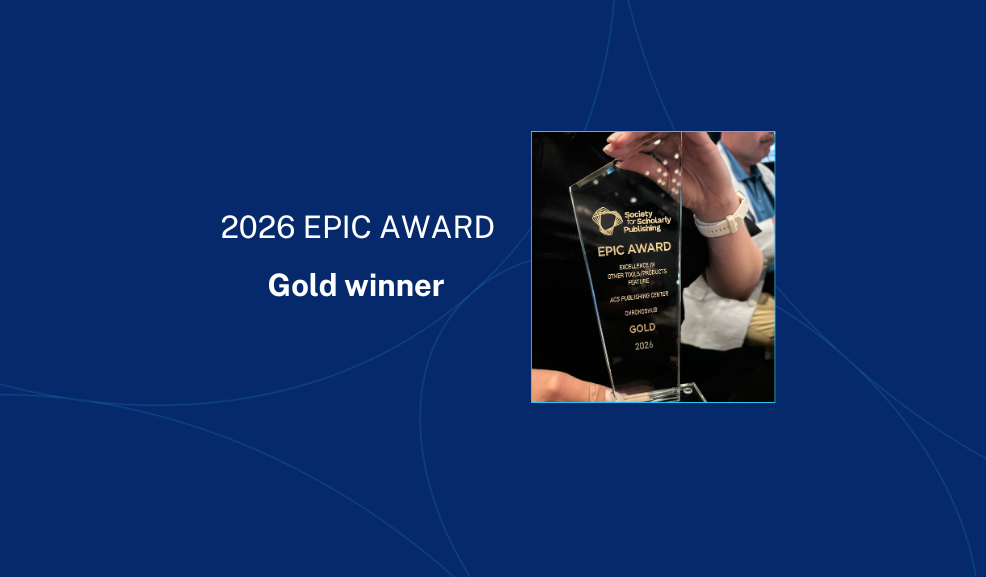
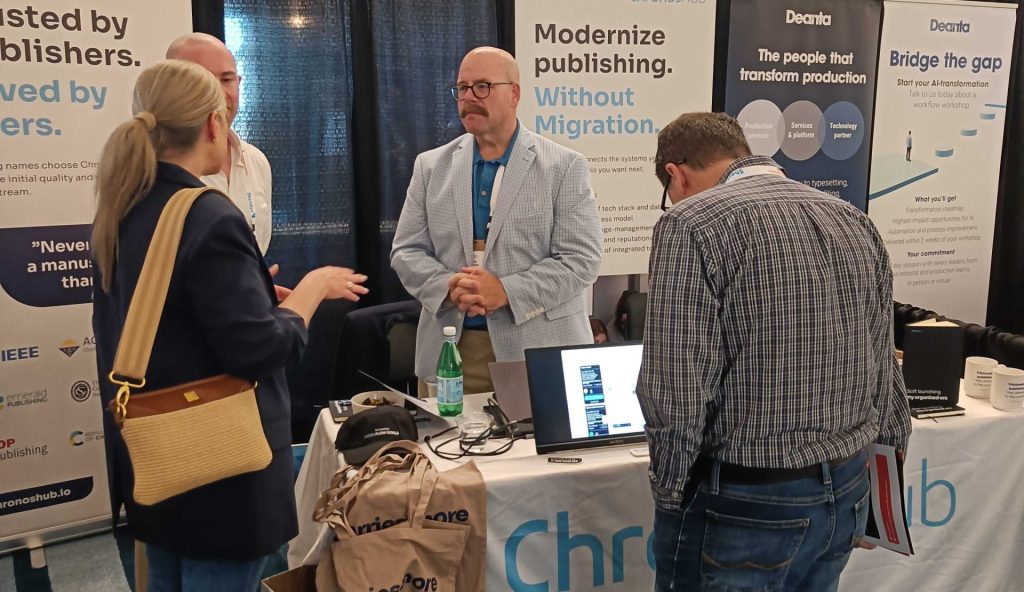
ChronosHub had quite the conference too: Aries partnership buzz, a packed presentation of our connective infrastructure vision, and an EPIC award win for our work developing ACS’s Publishing Center. Which certainly didn’t hurt my mood.
With all the developments we’re seeing, I’ll bet SSP 2027 in Rhode Island will feel even more buoyant. If you want to talk about publishing technology in the meantime, feel free to reach out to team ChronosHub.
Share this post